Optimal Seasons for Roofing Services
Scheduling roofing services at the optimal time can ensure better results and longer-lasting repairs or installations. The most suitable periods typically depend on weather conditions and seasonal factors that influence roofing work quality and safety.
Spring offers moderate temperatures and longer daylight hours, making it ideal for roofing projects. Weather tends to be more predictable, reducing delays.
Summer provides extended daylight and warm weather, but high temperatures can affect roofing materials and working conditions. Early summer is preferable for scheduling.
Fall features cooler temperatures and less rain, creating favorable conditions for roofing work. It is often considered the optimal season for roofing projects.
Winter presents cold temperatures, snow, and ice, which can hinder roofing work and compromise material integrity. It is generally less suitable for roofing services.
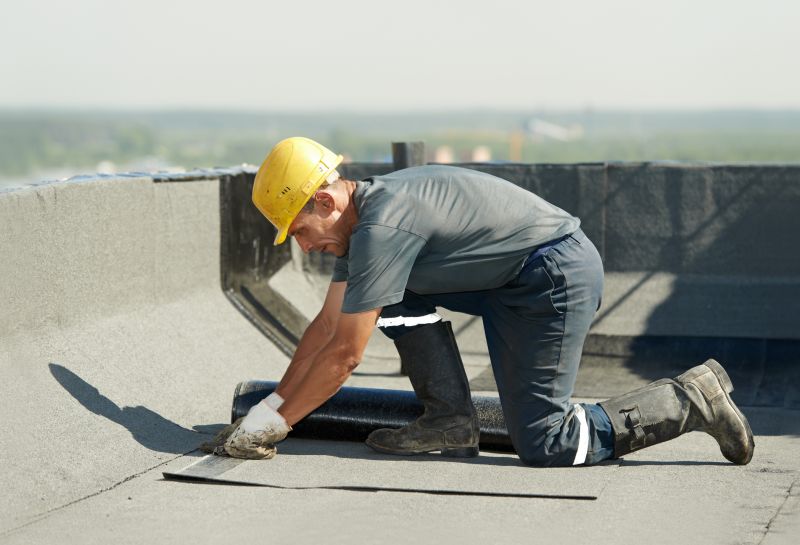
Ways to make Roofing Service work in tight or awkward layouts.
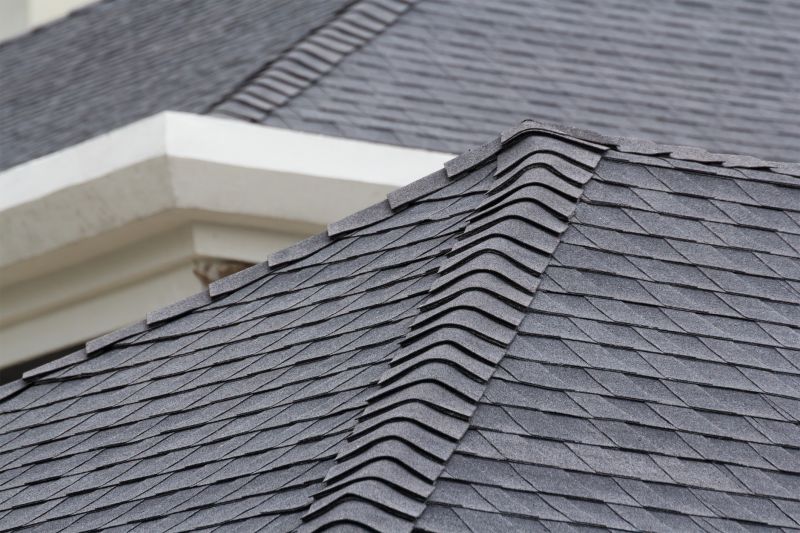
Popular materials for Roofing Service and why they hold up over time.
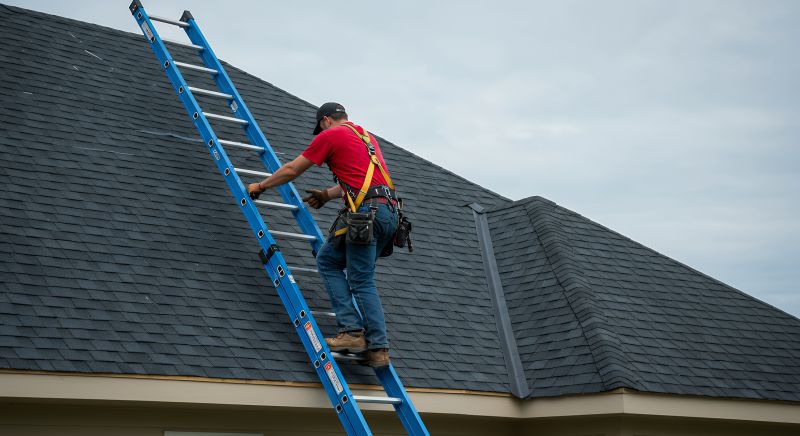
Simple add-ons that improve Roofing Service without blowing the budget.
High-end options that actually feel worth it for Roofing Service.

Finishes and colors that play nicely with Roofing Service.
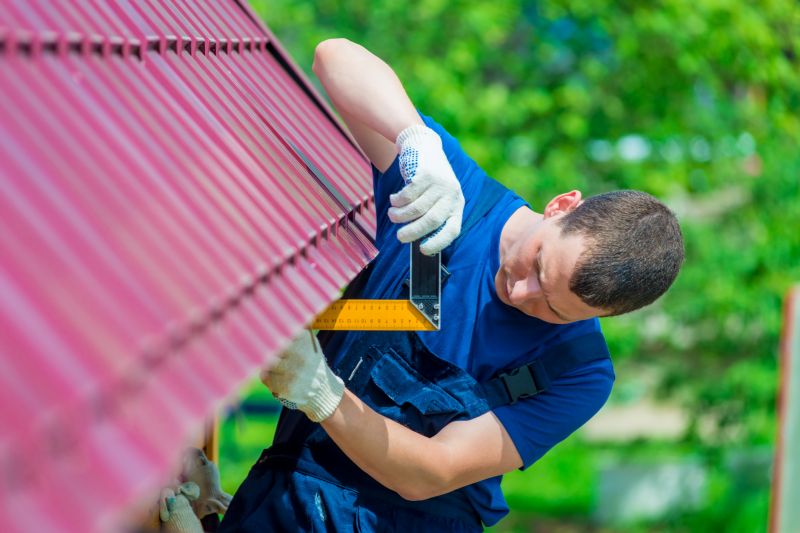
Little measurements that prevent headaches on Roofing Service day.
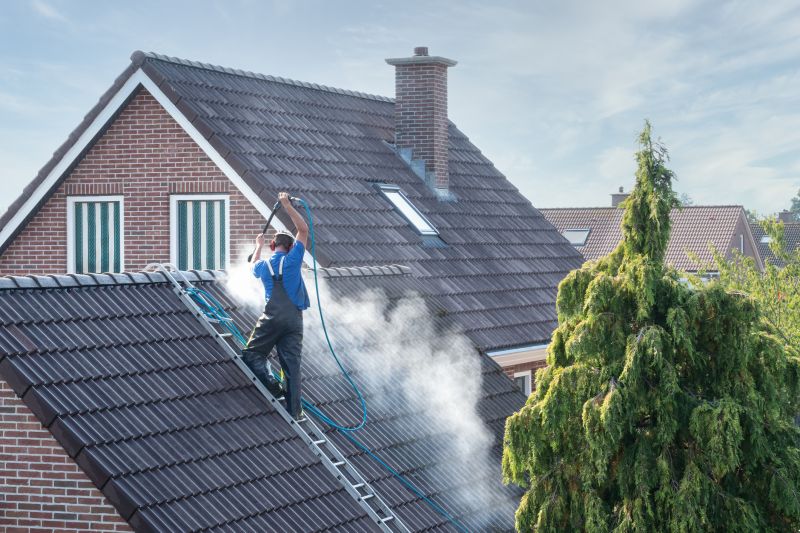
A 60-second routine that keeps Roofing Service looking new.
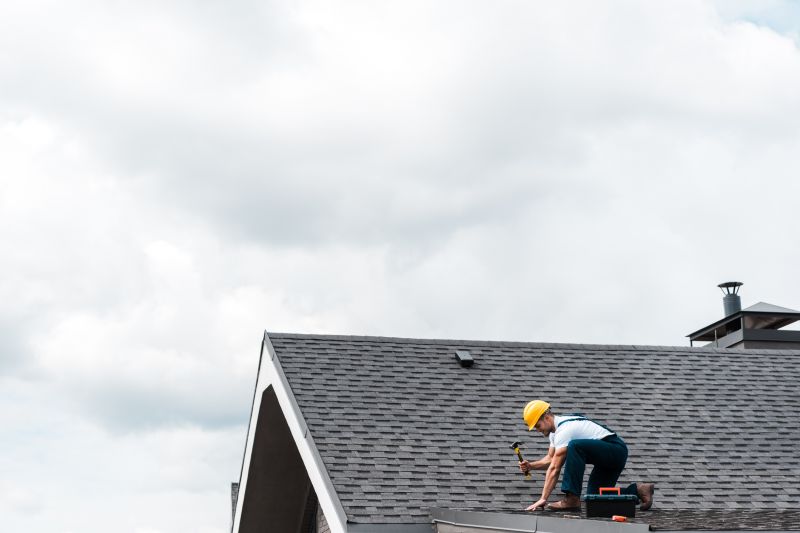
A frequent mistake in Roofing Service and how to dodge it.
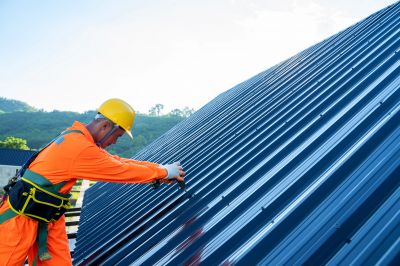
Small tweaks to make Roofing Service safer and easier to use.
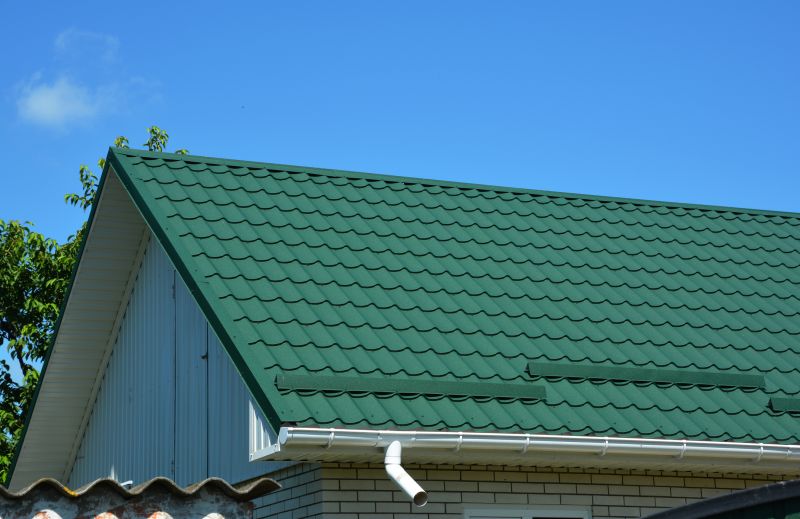
Lower-waste or water-saving choices for Roofing Service.
| Season | Ideal Conditions |
|---|---|
| Spring | Moderate temperatures, predictable weather |
| Summer | Warm, longer daylight, early summer preferred |
| Fall | Cooler temperatures, dry weather |
| Winter | Cold, snow, and ice, less suitable |
Roofing services encompass a range of activities including inspections, repairs, replacements, and maintenance. Proper timing ensures that materials perform optimally and that work can be completed efficiently. Weather conditions significantly impact the quality and safety of roofing projects, making seasonal planning essential.
Statistics indicate that scheduling roofing work during the spring and fall can reduce project delays by up to 30%. Cooler temperatures in these seasons help prevent material warping and ensure better adhesion of roofing components. Additionally, avoiding extreme weather minimizes safety risks for workers and property damage.